





Bernese Mountain Dog Puppy (Rosie) | Breed & Care
Pet Description Overview – Rosie
-
Name: Rosie
-
Breed: Bernese Mountain Dog
-
Gender: Female
-
Size: Large
-
Lifespan: 7–10 years
-
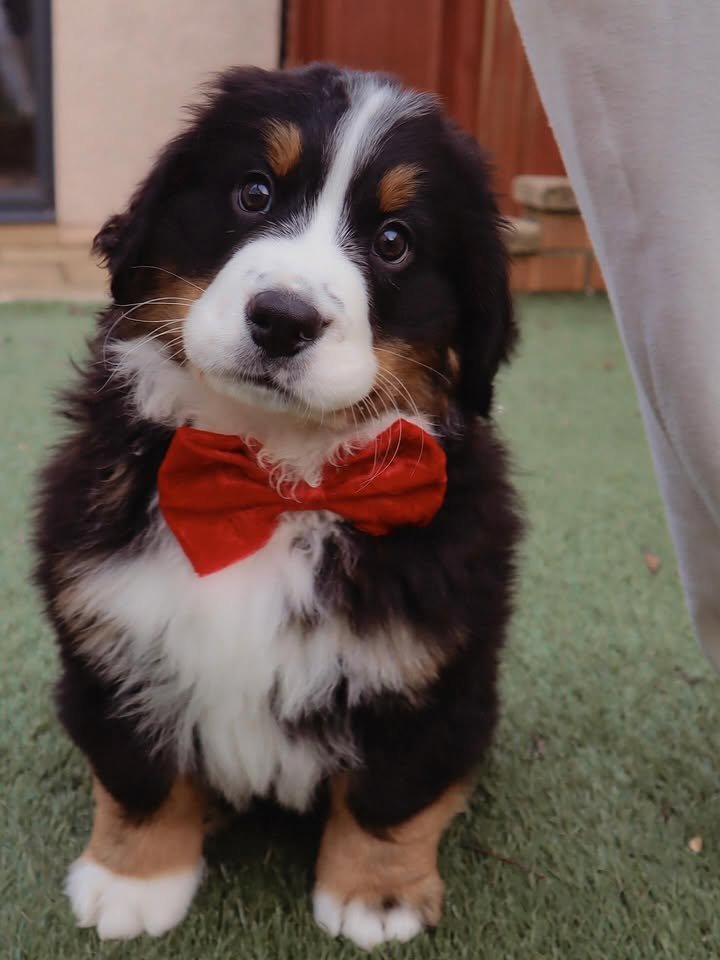
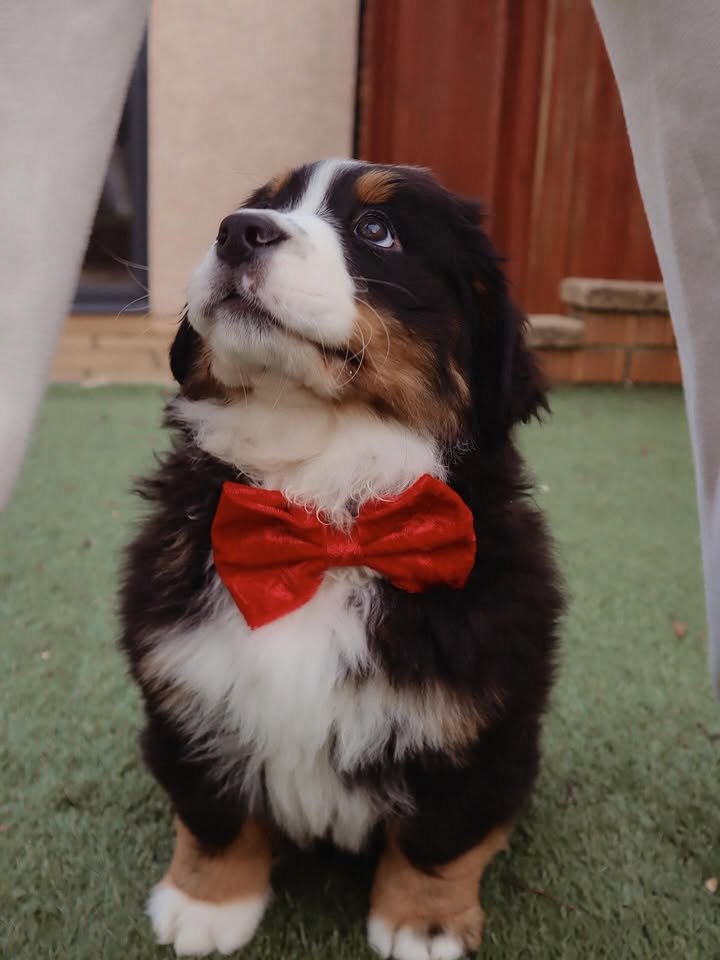
Colors: Black, white, and rust
-
Personality: Gentle, affectionate, and loyal
-
Temperament: Friendly, calm, and devoted
-
Interaction: Enjoys family time, outdoor activities, and playtime
-
Special Qualities: Beautiful tri-colored coat, loving nature, and an excellent family companion.
$1,000.00 Original price was: $1,000.00.$850.00Current price is: $850.00.

We Offer Free Delivery

Bernese Mountain Dog Puppy Rosie – Meet Your New Companion
Bernese Mountain Dog puppy Rosie introduces the charm of one of Switzerland’s most recognizable dog breeds. Known for their impressive appearance, thick coats, and affectionate personalities, Bernese Mountain Dogs have become beloved companions for people who appreciate large, loyal, and family-oriented dogs.
If you are searching for a Bernese Mountain Dog puppy Rosie, learning about the breed’s temperament, grooming needs, training requirements, and long-term care can help you decide whether this remarkable dog is right for your home. Bernese Mountain Dogs are admired for their beautiful tri-colored coats, gentle nature, and history as hardworking farm dogs.
Rosie represents the qualities commonly associated with this breed: devotion, companionship, and a desire to participate in everyday family life. Like every puppy, however, she is an individual. Her developing personality will be influenced by her genetics, early experiences, socialization, training, and the care she receives.
Choosing a puppy involves more than falling in love with an adorable face. It means understanding the responsibilities of dog ownership and preparing to meet the animal’s needs throughout its life. From balanced nutrition and regular grooming to veterinary appointments and positive training, every part of a puppy’s care contributes to a safe and rewarding relationship.
Whether you are an experienced dog owner or preparing for your first large-breed puppy, learning about the Bernese Mountain Dog is a valuable first step. https://lindaspuppyhaven.com/wp-admin/term.php?taxonomy=product_cat&tag_ID=56&post_type=product&wp_http_referer=%2Fwp-admin%2Fedit-tags.php%3Ftaxonomy%3Dproduct_cat%26post_type%3Dproduct
Why Choose Bernese Mountain Dog Puppy Rosie?
The Bernese Mountain Dog is admired for combining a powerful build with an affectionate, people-oriented personality. Historically developed as a working farm dog in Switzerland, the breed has a background that reflects strength, versatility, and a close relationship with people.
Today, many Bernese Mountain Dogs live as family companions. They often enjoy being involved in ordinary household activities, spending time with their owners, and exploring the outdoors at a comfortable pace.
Here are several characteristics that make the breed appealing.
A Loyal and Affectionate Companion
Bernese Mountain Dogs often develop strong bonds with their families. Many enjoy staying near their favorite people and participating in shared activities.
Companionship is important for this people-oriented breed. A suitable home should provide regular attention, daily interaction, mental stimulation, and comfortable opportunities to rest.
A Beautiful and Distinctive Appearance
The breed is especially recognizable for its traditional black, white, and rust-colored coat. Its thick hair, expressive eyes, broad head, and sturdy body contribute to its striking appearance.
Regular brushing helps remove loose hair, prevent tangles, and keep the coat in good condition. Prospective owners should be prepared for substantial shedding, especially during seasonal coat changes.
A Generally Gentle Temperament
Bernese Mountain Dogs are often described as affectionate, calm, and friendly. With appropriate socialization and consistent training, many learn to interact comfortably with familiar people and other animals.
A gentle temperament should never be taken for granted, however. Every dog needs respectful handling, supervision, training, and positive experiences.
Intelligence and Trainability
Bernese Mountain Dogs can respond well to patient, reward-based training. Teaching basic skills early helps puppies develop useful habits before they reach their adult size and strength.
Short training sessions, consistent routines, praise, and appropriate treats can make learning enjoyable.
A History of Working Alongside People
The Bernese Mountain Dog originated in Switzerland and traditionally helped with farm work. Its heritage is reflected in its strength and versatility.
Modern dogs may enjoy suitable outdoor activities, walks, supervised exploration, and games that engage their minds. Exercise should always be adjusted to the dog’s age, health, and physical development.
Bernese Mountain Dog Puppy Rosie: Appearance and Breed Characteristics
The Bernese Mountain Dog is a large, sturdy breed with a broad head, dark eyes, floppy ears, and a long double coat. Its traditional tri-colored markings are among its most recognizable features.
The coat is usually predominantly black, with white markings and rust-colored accents. These markings commonly appear on the face, chest, legs, and above the eyes. Individual patterns can vary, so Rosie’s actual appearance should be described using a current photograph or direct observation.
Expected Adult Size
Bernese Mountain Dogs grow into substantial adult dogs. According to the American Kennel Club, adult females commonly stand around 23–26 inches at the shoulder and weigh approximately 70–95 pounds, although individual dogs can fall outside these ranges.
Rosie’s adult size will depend on genetics, nutrition, and individual development. Her growth should be monitored with veterinary guidance rather than encouraged through excessive feeding.
Because the breed becomes large, owners should plan for a suitable bed, sturdy walking equipment, safe transportation, and enough room for the dog to move comfortably.
Coat and Seasonal Shedding
The breed’s double coat helps protect it in cold weather. However, this coat requires ongoing care and can shed considerably.
Weekly brushing is a useful baseline for many adult dogs, while more frequent brushing may be needed during heavier shedding periods. Puppies should gradually become comfortable with grooming so that regular brushing is a familiar part of their routine.
Understanding Rosie’s Individual Features
Breed descriptions explain typical characteristics rather than confirming every detail about an individual puppy. Before publishing specific information about Rosie, verify her actual coat markings, current age, weight, and other individual details.
Accurate descriptions help prospective owners understand the puppy they are considering and create realistic expectations.
Bernese Mountain Dog Puppy Rosie: Personality and Temperament
Bernese Mountain Dogs are widely appreciated for their affectionate, loyal, and generally gentle disposition. Many enjoy family interaction and prefer being included in daily routines instead of spending long periods alone.
Rosie’s personality will develop as she grows. Early experiences, genetics, socialization, training, and the quality of her environment can all influence how she responds to the world around her.
Affectionate and Family-Oriented
Many Bernese Mountain Dogs enjoy spending time near their owners. They may appreciate calm companionship, gentle play, and opportunities to join suitable family activities.
It is important to balance companionship with gradual independence training. Teaching a puppy to settle comfortably in her own resting area can help her cope with ordinary changes in routine.
Friendly but Still Learning
A young puppy is learning how to respond to new people, sounds, places, and situations. Some puppies approach unfamiliar experiences confidently, while others need more time and encouragement.
Allow Rosie to explore gradually without forcing interactions. Reward calm behavior and provide a safe place where she can retreat if she becomes overwhelmed.
Intelligent and Sensitive
Bernese Mountain Dogs can learn well through patient instruction and positive reinforcement. Harsh punishment may cause fear and undermine trust, so reward-based methods are preferable.
Training should focus on teaching the puppy what to do rather than frightening her into avoiding mistakes.
Every Puppy Is Different
Although breed tendencies are useful to understand, they do not guarantee an individual’s behavior. If you are considering Rosie, ask about her early experiences and observe how she responds to gentle handling, people, and her surroundings.
A responsible description should present typical breed traits without promising a specific temperament that has not been verified.
Is Bernese Mountain Dog Puppy Rosie Suitable for Families?
Bernese Mountain Dogs can make rewarding family companions for households that understand the needs of a large dog. Their affectionate nature and tendency to enjoy human company can make them appealing to families and individuals alike.
However, their size means that supervision and training are essential.
Children and Dogs
A friendly puppy can accidentally knock over a young child while playing. Adults should supervise interactions and teach children to approach dogs calmly, avoid pulling ears or tails, and leave a dog alone when it is eating or sleeping.
Children should never be expected to take sole responsibility for a puppy. Adults remain responsible for the dog’s welfare, training, and safety.
Living With Other Pets
Some Bernese Mountain Dogs can live successfully with other dogs and household pets. Introductions should be gradual, controlled, and supervised.
Give each animal access to its own resting area and resources. Avoid forcing close contact, and separate animals when necessary to maintain a calm environment.
Space and Daily Companionship
A large dog needs room to move, comfortable indoor accommodation, and regular opportunities for suitable exercise. A secure outdoor area can be useful, but it does not replace interaction, walks, and mental enrichment.
Bernese Mountain Dogs are often strongly attached to their families. A household that regularly leaves a dog alone for long periods should carefully consider how it will meet the dog’s social and enrichment needs.
Is This Breed Right for Your Lifestyle?
Before choosing Rosie, consider your schedule, home environment, experience with dogs, grooming routine, and budget.
You should be prepared for food costs, routine veterinary care, training, coat maintenance, and potential unexpected medical expenses. A responsible decision considers both the joy of owning a puppy and the long-term commitment involved.
Feeding and Nutrition for Bernese Mountain Dog Puppy Rosie
Balanced nutrition is essential for a puppy’s growth and general well-being. Because Bernese Mountain Dogs become large adults, careful feeding during growth is particularly important.
Choose a complete and balanced puppy food formulated for large-breed growth. Your veterinarian can help you select a suitable diet based on Rosie’s age, body condition, and individual requirements.
Choosing the Right Puppy Food
Look for food that is appropriate for the puppy’s growth stage and provides the nutrients required for healthy development.
Avoid making major dietary changes without a reason. If you need to change Rosie’s food, ask your veterinarian how to transition gradually to help reduce digestive upset.
Do not add calcium, vitamins, or other supplements unless a veterinary professional recommends them. Excessive supplementation can be inappropriate for a growing large-breed puppy.
Establishing a Feeding Routine
A regular feeding schedule can make daily care easier. The appropriate number of meals depends on the puppy’s age and individual needs, so follow veterinary advice and the food manufacturer’s guidance.
Always provide fresh drinking water. Monitor appetite, stool quality, and body condition, and contact your veterinarian if you notice persistent digestive problems or unexplained changes.
Maintaining a Healthy Body Condition
Avoid overfeeding in an attempt to make Rosie grow faster or become larger. Healthy, steady growth is more important than maximizing weight.
Use treats in moderation during training and account for them as part of the overall diet. Regular veterinary checks can help determine whether her growth and body condition are appropriate.
Grooming and Coat Care for Bernese Mountain Dog Puppy Rosie
The Bernese Mountain Dog’s long double coat is beautiful but requires regular maintenance. Starting grooming early can help Rosie become comfortable with brushing, nail care, ear checks, and dental hygiene.
Brushing the Coat
Brush the coat regularly using tools suitable for a long double-coated dog. Work gently and pay attention to areas where tangles may form, including behind the ears, around the chest, and along the legs.
During heavier shedding periods, more frequent brushing may be necessary. Regular grooming can also help you notice skin irritation, unusual lumps, or other changes that may need veterinary attention.
Bathing and Coat Maintenance
Bathe Rosie when necessary using a shampoo formulated for dogs. Rinse the coat thoroughly and dry it carefully.
Avoid shaving a double coat as a routine grooming measure. If a medical or coat problem arises, ask a veterinarian or experienced groomer for advice on the safest approach.
Nail Care
Long nails can cause discomfort and affect the way a dog walks. Check Rosie’s nails regularly and introduce nail handling gradually.
If you are unsure how to trim them safely, ask a veterinarian or professional groomer to demonstrate the process.
Ear and Dental Care
Check the ears regularly for redness, unusual odor, discharge, or discomfort. Contact a veterinarian if you notice signs that may indicate an infection.
Introduce dental care early with a dog-specific toothbrush and toothpaste. Never use human toothpaste unless a veterinarian has specifically confirmed that a product is safe for dogs.
Making Grooming a Positive Experience
Keep early grooming sessions short and gentle. Reward calm behavior with praise or suitable treats.
Allow Rosie to become familiar with the brush and other grooming tools gradually. Positive experiences can make routine care easier as she grows into a large adult dog.
For additional guidance, see the American Kennel Club’s dog grooming advice.
Exercise and Daily Activities
Bernese Mountain Dogs benefit from regular activity and opportunities to explore their surroundings. However, exercise must be appropriate for a puppy’s age, health, and physical development.
Gentle Exercise During Puppyhood
Provide short, supervised periods of movement, play, and exploration. Let Rosie rest when she becomes tired, and avoid forcing her to keep going when she needs a break.
Avoid strenuous running, repetitive high-impact activity, and excessive exercise while she is growing. Ask your veterinarian for advice about an appropriate activity plan.
Mental Enrichment
Mental stimulation can help keep a puppy engaged without requiring strenuous physical exercise.
Try short reward-based training sessions, safe scent games, appropriate chew toys, and puppy-friendly food puzzles. Supervise toys and remove any that become damaged or pose a swallowing risk.
Walks and Outdoor Exploration
Introduce walks gradually and follow veterinary guidance about vaccination status and safe public environments.
Use a secure leash and appropriate walking equipment. Let Rosie explore suitable areas at a comfortable pace, and reward calm behavior when encountering new sights and sounds.
Weather and Rest
The Bernese Mountain Dog’s thick coat is well suited to cold conditions, but heat can be challenging. Avoid strenuous activity during hot weather, provide shade and fresh water, and make sure Rosie has a cool, comfortable place to rest.
If she shows signs of heat distress, unusual weakness, or difficulty breathing, seek veterinary advice urgently.
Training and Socialization for Bernese Mountain Dog Puppy Rosie
Early training is especially valuable for a breed that grows into a large, strong dog. Teaching good habits while Rosie is young can help make everyday life safer and more manageable.
Start With Basic Commands
Begin with simple skills such as responding to her name, sitting, settling, and coming when called in a safe environment.
Use short sessions and reward progress. Puppies learn at different speeds, so patience and repetition are important.
Teach Good Leash Manners
Introduce a well-fitted harness or suitable collar and a sturdy leash. Reward Rosie for walking near you without pulling and for remaining calm when she encounters ordinary distractions.
Practicing these skills early can be helpful when she becomes much stronger.
Socialize Gradually
Positive socialization means helping a puppy become comfortable with everyday experiences at a pace she can handle.
Introduce new people, sounds, surfaces, and environments carefully. Avoid overwhelming her with too many new experiences at once.
Ask your veterinarian how to balance socialization with vaccination and disease-prevention recommendations in your area.
Encourage Calm Behavior
Reward Rosie for settling quietly, greeting people appropriately, and relaxing in her designated space.
Consistent household rules help her understand what is expected. Everyone in the home should use similar cues and avoid encouraging behavior that may become difficult to manage in a large adult dog.
Teach Independence
Because Bernese Mountain Dogs often enjoy companionship, gradually teaching a puppy to relax alone is useful.
Begin with short periods in a safe resting area and increase the duration at a pace she can manage. If she becomes distressed, adjust the process rather than forcing prolonged isolation.
Health Considerations for Bernese Mountain Dog Puppy Rosie
Responsible ownership includes learning about health conditions that can affect Bernese Mountain Dogs. Breed-related risks do not mean that Rosie will develop a particular illness, but understanding them can help prospective owners ask useful questions.
Hip and Elbow Dysplasia
Hip and elbow dysplasia are developmental joint conditions that may cause discomfort or mobility problems.
Ask about relevant screening in the puppy’s parents and discuss suitable growth, exercise, and body-condition management with your veterinarian.
Certain Cancers
Bernese Mountain Dogs have an increased risk of some cancers compared with many other breeds. This is one reason to learn about the breed’s health history and seek veterinary advice when unusual symptoms arise.
No seller can guarantee that a puppy will never develop cancer or another serious condition.
Bloat and Gastric Dilatation-Volvulus
Bloat can be life-threatening, particularly when the stomach becomes distended and twists. Signs may include a swollen abdomen, restlessness, drooling, and repeated attempts to vomit without producing anything.
If these symptoms occur, seek emergency veterinary care immediately. Do not wait to see whether the condition resolves on its own.
Other Health Concerns
Depending on family history, Bernese Mountain Dogs may be affected by additional inherited or general health conditions. A responsible breeder should be able to discuss appropriate breed-related screening and provide available records.
Veterinary Examinations and Preventive Care
Arrange a veterinary examination and follow recommendations for vaccinations, parasite prevention, nutrition, dental care, and ongoing health monitoring.
Ask for Rosie’s existing veterinary records rather than assuming she has received particular treatments.
For more information, consult the American Kennel Club’s Bernese Mountain Dog breed guide, which discusses breed characteristics and recommended health screening.
Preparing Your Home for Bernese Mountain Dog Puppy Rosie
Preparing your home before Rosie arrives can help her settle into a safe and predictable environment.
Useful supplies include:
- A comfortable bed with room for growth.
- Food and water bowls.
- Complete large-breed puppy food.
- A suitable collar or harness and a sturdy leash.
- Puppy-safe chew toys and enrichment toys.
- Brushes appropriate for a double coat.
- Dog-specific shampoo and dental-care supplies.
- A safe resting area.
- A secure outdoor space for supervised activity.
- Cleaning supplies for puppy accidents.
- A plan for veterinary appointments and training.
Puppy-Proofing Your Home
Secure electrical cables, medications, cleaning chemicals, toxic plants, and small objects that could be swallowed.
Keep food and rubbish out of reach, and inspect the home for gaps or hazards that could injure a curious puppy.
Provide a quiet resting area where Rosie can sleep without being disturbed. Puppies need plenty of rest between periods of activity.
Establishing a Daily Routine
A predictable schedule for meals, toilet breaks, training, play, and rest can help Rosie adjust.
Keep early training sessions short, provide regular opportunities to go outside when appropriate, and reward toileting in the desired location.
Planning for Adult Size
Think ahead about transportation, sleeping arrangements, grooming costs, and how you will manage a strong adult dog on a leash.
Preparing for these responsibilities before bringing Rosie home can make the transition more manageable.
How to Choose Bernese Mountain Dog Puppy Rosie Responsibly
Choosing a puppy should involve careful consideration of the dog’s welfare, background, and suitability for your household.
Ask the seller or breeder for accurate information about Rosie’s age, parentage, veterinary care, health screening, and current circumstances. Request copies of available records and clarify which vaccinations or treatments have actually been completed.
If possible, meet Rosie and observe her behavior in a safe, appropriate environment. If an in-person meeting is not possible, request current photos or videos and take reasonable steps to verify the seller’s identity and the puppy’s circumstances.
Avoid making a decision based only on attractive photographs or urgent payment requests. Make sure you understand the terms of the purchase, any health documentation provided, and the arrangements for receiving the puppy.
A responsible seller should be willing to answer questions clearly and should not discourage you from making informed checks.
Most importantly, consider whether your lifestyle and resources are suited to a large, thick-coated dog that needs companionship, grooming, training, and lifelong veterinary care.
Why Bernese Mountain Dog Puppy Rosie Could Be a Special Companion
Bernese Mountain Dogs are admired for their striking appearance, affectionate nature, and heritage as versatile Swiss farm dogs. Their combination of strength and gentleness makes them appealing to people who want a substantial companion and are prepared for the responsibilities of large-breed ownership.
Rosie provides an opportunity to learn about the qualities associated with this breed while considering what it takes to raise a puppy responsibly.
A successful relationship depends on more than breed characteristics. It also depends on individual temperament, early experiences, appropriate training, regular veterinary care, balanced nutrition, and a safe home.
If you are considering Rosie, take time to verify her individual details and make sure that her needs fit your circumstances. Choosing carefully helps establish a stronger foundation for a positive relationship.
Learn More About Bernese Mountain Dogs
These external resources provide further information about breed history, characteristics, grooming, and responsible care:
- American Kennel Club – Bernese Mountain Dog: Breed characteristics, size, lifespan, grooming, and health information.
- American Kennel Club – Is the Bernese Mountain Dog Right for You?: Considerations for prospective owners.
- American Kennel Club – Bernese Mountain Dog History: Background on the breed’s Swiss origins and working history.
- PetMD: Educational information about dog health and veterinary care.
- The Kennel Club: Dog breed information and responsible ownership resources.
- Merriam-Webster Dictionary: A general language and dictionary resource.
These links provide general educational information and do not replace individualized veterinary advice.
Final Thoughts on Bernese Mountain Dog Puppy Rosie
Bernese Mountain Dog puppy Rosie introduces a breed celebrated for its beautiful coat, loyal nature, and affectionate companionship. For a household that can meet its needs, a Bernese Mountain Dog can become a cherished part of family life.
Before welcoming Rosie, prepare to provide suitable food, regular grooming, positive training, safe exercise, veterinary care, and daily companionship. Learn about the breed’s health considerations and ask for verified information about Rosie’s own background.
A puppy is a long-term responsibility. Careful preparation, honest information, and a commitment to lifelong welfare can help you make a confident and responsible choice.
Discover the qualities of Bernese Mountain Dog puppy Rosie and learn whether this affectionate, large-breed companion could be the right match for your family.




Reviews
There are no reviews yet.