




Schnauzer Puppy (Molly) | Breed & Care
Pet Description Overview
-
Name: Molly
-
Breed: Schnauzer
-
Gender: Female
-
Size: Depends on Schnauzer variety (Miniature, Standard, or Giant)
-
Lifespan: Typically 12–15 years for Miniature and Standard Schnauzers; Giant Schnauzers generally live around 10–12 years
-
Coat: Wiry, textured coat with distinctive facial furnishings
-
Typical Colors: Salt and pepper, black, black and silver, or white, depending on the variety
-
Personality: Intelligent, playful, affectionate, and curious
-
Temperament: Alert, confident, loyal, and lively
-
Interaction: Enjoys playtime, training, family activities, and companionship
-
Special Qualities: Distinctive beard and eyebrows, bright expression, and an eager-to-learn personality
$1,000.00 Original price was: $1,000.00.$800.00Current price is: $800.00.

We Offer Free Delivery

Meet Molly – Your Schnauzer Puppy
Molly represents the appealing qualities of the Schnauzer, a breed with a long history as a working dog and companion. Schnauzers originated in Germany, where dogs of this type were valued for their alertness, intelligence, and practical working abilities. Over time, their distinctive appearance and engaging personalities helped establish them as popular companion dogs.
A Schnauzer is often an excellent match for people who enjoy interacting with their dogs and including them in everyday activities. These dogs generally appreciate opportunities to explore, learn, play, and spend time with familiar people. Their intelligence can make training rewarding, although it also means they benefit from regular mental stimulation and consistent boundaries.
The Schnauzer puppy Molly listing introduces the breed’s characteristic appeal while recognizing that Molly is an individual puppy whose needs and personality should be understood on their own terms. Her future temperament will depend on a combination of inherited traits, early experiences, socialization, training, and daily care.
A supportive home can help Molly develop confidence as she grows. A predictable routine, gentle handling, suitable toys, and positive interactions can make it easier for her to settle into family life. Giving her opportunities to rest as well as play will also help her adjust to new experiences.
Whether you are looking for a playful family companion, an intelligent training partner, or a dog to accompany you on suitable daily activities, the Schnauzer is a breed worth considering. Understanding its characteristics and care requirements is an important first step toward responsible ownership.
Why Choose a Schnauzer Puppy Molly?
Schnauzers are admired for their combination of intelligence, loyalty, alertness, and versatility. Although the three varieties differ in size and exercise needs, they share many recognizable features and breed characteristics.
Intelligence and trainability
Schnauzers are generally quick to notice patterns and learn routines. Many respond well to reward-based training, especially when sessions are short, engaging, and consistent. Teaching Molly simple cues and household habits can provide mental stimulation while strengthening your relationship.
Loyalty and companionship
Schnauzers often form strong bonds with their families and enjoy being included in daily activities. They may appreciate playing with familiar people, following household routines, or relaxing nearby after exercise. Every dog is different, so Molly should be allowed to develop trust and affection at her own pace.
A distinctive appearance
The Schnauzer’s bushy eyebrows, characteristic beard, and expressive eyes give the breed a recognizable look. Its wiry outer coat adds to its distinctive appearance, although maintaining the coat requires a regular grooming routine.
Playfulness and energy
Schnauzers generally enjoy activities that give them opportunities to move, explore, and think. Depending on her variety and age, Molly may enjoy walks, interactive toys, scent games, and training exercises. Activities should match her physical development and health.
Alertness and confidence
Schnauzers are often attentive to unfamiliar sounds and changes in their environment. This alert nature can make them observant companions, but it can also contribute to barking if they become excited or uncertain. Calm training can help encourage appropriate responses.
Versatility
Schnauzers can adapt to different household environments when their needs are met. A Miniature Schnauzer may suit some smaller homes particularly well, while Standard and Giant Schnauzers typically require more space, structured activity, and handling experience. Suitability depends on the individual dog and the owner’s lifestyle rather than size alone.
These qualities make the Schnauzer an appealing choice for people who want an interactive companion and are prepared to invest time in training, grooming, exercise, and lifelong care.
Schnauzer Puppy Molly: Appearance and Distinctive Features
One of the most recognizable characteristics of a Schnauzer is its facial furnishings: the prominent eyebrows and beard that create its distinctive expression. The breed generally has a sturdy build, an alert appearance, and a double coat with a wiry outer layer and a softer undercoat.
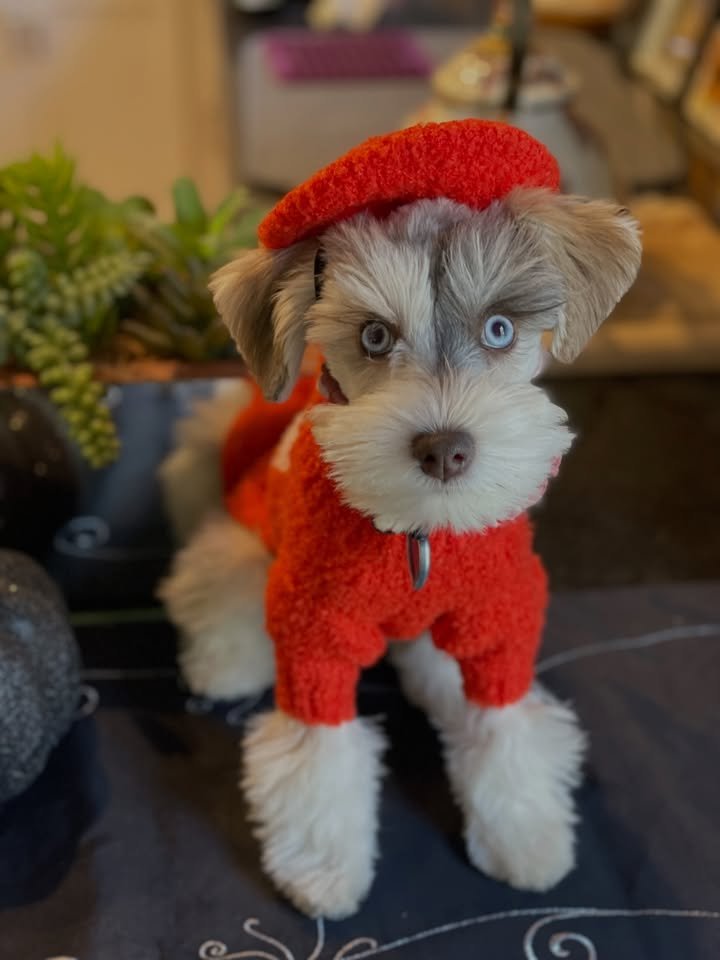
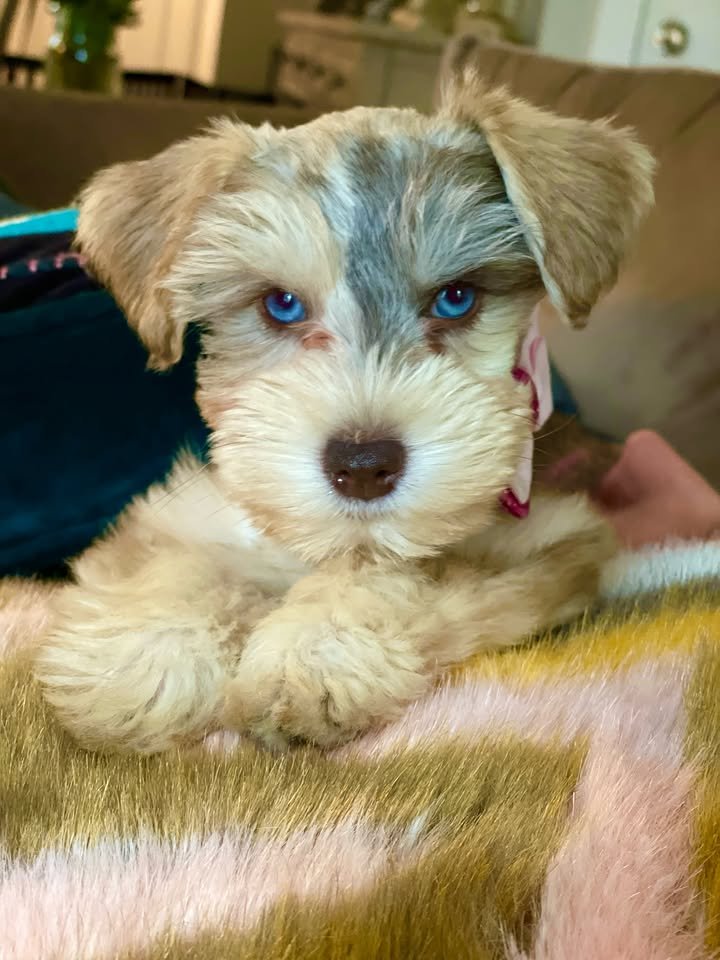
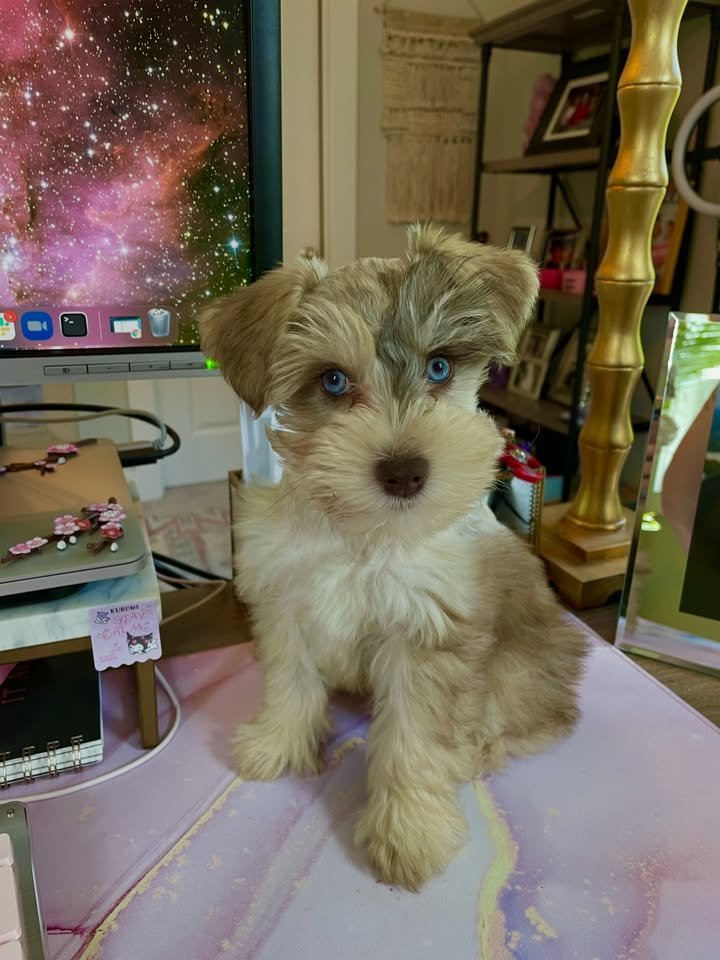
Coat colors vary according to the variety and breed standard. Common colors include salt and pepper, black, black and silver, and white, although not every color is accepted for every variety or registry. Molly’s actual color should be confirmed from her individual photographs and records rather than inferred from a general breed description.
The coat can look different depending on grooming style. Some owners maintain a traditional Schnauzer outline with a characteristic beard and leg furnishings, while others choose a practical trim that is easier to maintain. Either way, the skin and coat should be kept clean and checked regularly.
Because Schnauzers have a double coat, grooming is more than an appearance-related task. Regular brushing helps remove loose hair and prevent tangles, while professional grooming can help maintain the coat’s texture and shape. The beard may collect moisture or food, so gentle cleaning can also be helpful.
Molly’s exact size, weight, markings, coat texture, and facial features should be verified before adding individual details to her product page. These details can be useful to prospective owners, but they should only be published when they are known to be accurate.
Schnauzer Puppy Molly: Personality and Temperament
Schnauzers are generally known for being intelligent, attentive, curious, and lively. Many enjoy exploring their surroundings and participating in activities with their families. Their alert nature may make them responsive to unfamiliar sounds, visitors, and changes in their environment.
Schnauzers can also be affectionate companions. They often enjoy spending time with familiar people and may develop strong relationships with their household members. Regular interaction and positive experiences help support these relationships as a puppy matures.
However, temperament varies between individual dogs. Molly’s personality will be shaped by her inherited traits, early handling, environment, socialization, and training. It is best to describe the breed’s typical tendencies without guaranteeing that she will behave in a particular way.
Building confidence through socialization
Early socialization helps puppies become familiar with suitable people, sounds, environments, and everyday experiences. Introductions should be gradual and positive, allowing Molly to observe from a comfortable distance and retreat if she feels overwhelmed.
Follow veterinary guidance about safe socialization before her vaccination schedule is complete. Safe exposure can include controlled visits, calm interactions with suitable people, and familiarization with household sounds.
Encouraging positive behavior
Reward-based training helps teach Molly which behaviors are desirable. Praise, appropriate treats, toys, and play can be used to reinforce responses such as coming when called, settling calmly, and walking politely on a leash.
If Molly barks at unfamiliar sounds, calm guidance and training can help her learn when to alert and when to settle. Avoid harsh punishment, which can create fear and make behavior problems harder to resolve.
Providing mental stimulation
Schnauzers often benefit from activities that engage their minds. Simple scent games, food puzzles designed for dogs, basic obedience exercises, and supervised exploration can help prevent boredom. Rotate suitable toys and keep training sessions enjoyable rather than repetitive or overly long.
Is Molly a Good Schnauzer Puppy for Families?
Schnauzers can make rewarding companions for individuals, couples, and families who understand their needs. They are often interactive dogs that enjoy being included in household life, but they require more than occasional attention. Exercise, training, grooming, mental stimulation, and veterinary care are essential parts of responsible ownership.
The best match depends partly on which Schnauzer variety Molly belongs to. Miniature Schnauzers are the smallest variety and may be easier to accommodate in certain living arrangements. Standard Schnauzers generally need more activity, while Giant Schnauzers are larger, powerful dogs that may require substantial exercise, structured training, and confident handling.
Families with children should teach gentle interaction and supervise all contact between young children and puppies. A puppy needs uninterrupted rest and should never be pulled by the beard, ears, or legs. Children should learn not to disturb a dog while eating, sleeping, or retreating to a safe resting area.
Schnauzers may live successfully with other pets when introductions are managed carefully. Compatibility depends on the personalities of the animals, previous experiences, and the household environment. Supervise early interactions and provide each animal with space to retreat.
Molly’s ideal home is one where her individual needs are understood and where her family is prepared to provide consistent attention, positive training, appropriate exercise, and regular care throughout her life. https://lindaspuppyhaven.com/product-category/miniature-schnauzer-puppies/
Schnauzer Puppy Molly: Grooming and Coat Maintenance
Grooming is a significant part of Schnauzer ownership. The breed’s wiry outer coat, softer undercoat, beard, and leg furnishings need regular attention to remain comfortable and tidy. A consistent routine also gives owners opportunities to notice changes in the skin, ears, paws, and nails.
Brushing and detangling
Brush Molly regularly using tools suitable for her coat. Pay attention to the beard, legs, underside, and areas where the coat may rub against a harness. Gentle brushing helps remove loose hair and reduce tangles.
Avoid pulling forcefully on knots or brushing irritated skin. If mats are difficult to remove, seek help from a professional groomer rather than trying to cut them out close to the skin.
Professional grooming and trimming
Professional grooming can help maintain the Schnauzer’s characteristic appearance. Depending on Molly’s variety, coat, and lifestyle, a groomer may recommend clipping, hand-stripping, or another suitable grooming method. Not every method is appropriate for every coat, so ask a groomer familiar with Schnauzers to explain the options.
Regular appointments also help keep the beard, eyebrows, and facial furnishings neat. If you prefer a shorter, practical style, discuss a trim that fits your routine and keeps Molly comfortable.
Beard and facial care
A Schnauzer’s beard may collect food, water, and outdoor debris. Check it regularly and gently clean it when necessary. Avoid products that are not designed for dogs, especially near the eyes and mouth.
Nails, ears, and dental hygiene
Check Molly’s nails regularly and trim them as needed using suitable tools. If you are unsure how to do this safely, ask a veterinary professional or experienced groomer to demonstrate.
Inspect her ears for visible dirt, redness, unusual odor, or discomfort. Seek veterinary advice if anything appears abnormal rather than inserting objects into the ear canal.
Dental hygiene is another important part of daily care. Gradually introduce toothbrushing with dog-specific toothpaste and ask your veterinarian about suitable dental products. Gentle handling and rewards can help Molly become comfortable with routine grooming.
Schnauzer Puppy Molly: Exercise and Daily Activity
Schnauzers are generally active dogs that benefit from regular movement and mental stimulation. Molly’s exact exercise needs will depend on her variety, age, health, and development. A young puppy should not be expected to manage the same activities as a mature Standard or Giant Schnauzer.
Suitable activities may include short walks, supervised play, simple training games, and opportunities to explore safe environments. Provide rest between active periods and follow veterinary advice about exercise while she is growing.
Walks and outdoor exploration
Use a properly fitted collar or harness and a suitable leash. Allow Molly to explore at a comfortable pace, while keeping her away from traffic, unsafe animals, and hazardous objects. Follow local veterinary advice regarding vaccination and safe public outings.
Indoor games and enrichment
Indoor activities can provide valuable stimulation, especially when weather or other circumstances limit outdoor exercise. Try simple games that encourage Molly to find a toy, follow a cue, or investigate a safe scent. Use dog-safe puzzle toys according to their instructions and supervise her during play.
Balancing activity and rest
Puppies need sleep and quiet time as well as activity. Watch for signs that Molly is becoming tired or overwhelmed and allow her to rest in a calm area. Avoid forcing her to continue exercising when she needs a break.
Regular activity, appropriate rest, and positive interaction can help Molly develop healthy routines as she matures.
Schnauzer Puppy Molly: Training and Socialization
Training is an important part of raising a confident and well-mannered Schnauzer. The breed’s intelligence can make learning rewarding, but consistency matters. Start with simple exercises, keep sessions short, and reward the behaviors you want to encourage.
Useful early skills include responding to her name, coming when called, accepting a harness, settling calmly, and learning appropriate toilet habits. Practise in a quiet environment before adding distractions.
Toilet training and household routines
Establish a regular schedule for toilet breaks, meals, play, and rest. Take Molly to the appropriate toilet area after waking, eating, drinking, and active play. Reward success promptly and clean accidents thoroughly without punishment.
Leash manners and basic cues
Introduce the harness and leash gradually, rewarding Molly for remaining calm and walking beside you. Basic cues such as “come,” “sit,” and “leave it” can support safety and communication when taught with positive reinforcement.
Socialization with people and animals
Introduce Molly to suitable people and well-mannered dogs gradually. Supervise interactions and watch her body language. Give her time to become comfortable instead of forcing contact.
Managing alert barking
Schnauzers can be alert and vocal. If Molly barks at a sound or visitor, calmly guide her toward a more appropriate behavior, such as coming to you or settling on a mat. Reward quiet behavior and help her become familiar with everyday noises in a positive way.
Training should remain consistent across household members. Patient, reward-based guidance helps Molly learn without undermining her trust.
Schnauzer Puppy Molly: Health and Veterinary Care
Responsible ownership includes learning about health concerns that may affect Schnauzers and arranging appropriate veterinary care. Potential conditions vary by variety and individual background, so no breed description can establish Molly’s health status.
Some concerns that may be relevant to Schnauzers include eye conditions, skin problems, and inherited disorders. Miniature Schnauzers can be predisposed to pancreatitis and certain metabolic conditions, including problems involving fat metabolism. The specific risks for Molly depend on her variety, genetics, and individual health history.
Before welcoming her home, ask for available veterinary records, vaccination information, parasite-prevention history, and details of any relevant health screening. A veterinarian can review her records and recommend examinations or preventive measures suited to her age and circumstances.
Routine preventive care
Regular veterinary examinations help monitor growth, body condition, dental health, and general development. Your veterinarian can advise on vaccinations, parasite prevention, nutrition, and when to schedule follow-up appointments.
Nutrition and body condition
Appropriate nutrition helps support healthy growth and long-term well-being. Avoid excessive treats or unbalanced diets, and ask a veterinarian how to monitor Molly’s weight and body condition as she matures.
Recognizing changes
Contact a veterinarian if Molly develops persistent vomiting, diarrhea, loss of appetite, unusual lethargy, changes in drinking or urination, or other concerning symptoms. Sudden severe symptoms require urgent veterinary attention.
No puppy can be guaranteed free from future health problems. Accurate records, responsible breeding practices, appropriate preventive care, and honest communication help prospective owners make informed decisions.
Preparing Your Home for Schnauzer Puppy Molly
Preparing your home before Molly arrives can make the transition easier and safer. Choose a quiet resting area and set up the essentials she will need for feeding, play, grooming, and toilet training.
Consider preparing:
- A comfortable bed in a quiet, secure location.
- Food and water bowls appropriate for her size.
- Complete, age-appropriate puppy food.
- A properly fitted harness and suitable leash.
- Safe chew toys and interactive toys.
- A brush and grooming supplies suited to her coat.
- Nail-care supplies or a professional grooming plan.
- Cleaning products suitable for pet-related accidents.
- A secure area for supervised play.
- A schedule for feeding, toilet breaks, training, and rest.
- A plan for veterinary appointments and preventive care.
Puppy-proof the home by securing electrical wires, storing medicines and cleaning products safely, removing small objects she could swallow, and restricting access to hazardous areas. Check fences and gates if she will use an outdoor space.
Provide a quiet place where Molly can rest undisturbed. Supervise her interactions with children and other pets, and introduce household routines gradually. A predictable environment can help her settle and learn what to expect.
How to Choose and Welcome Molly Responsibly
Choosing a puppy involves more than appearance. Prospective owners should understand the puppy’s background, care needs, and individual characteristics before making a commitment.
For Molly, confirm which Schnauzer variety she belongs to, her current age, coat color, veterinary history, and availability. Ask what health records and screening information can be provided, and check whether her vaccinations and parasite-prevention treatments are appropriate for her age.
If information is unavailable, ask for clarification rather than assuming it exists. Be cautious of pressure to pay quickly, reluctance to answer reasonable questions, or claims that a puppy is guaranteed to remain free from health problems.
It is also important to consider your lifestyle. Schnauzers need regular interaction, exercise, grooming, training, and veterinary care. Their intelligence and energy can be rewarding, but they also require owners who can provide structure and appropriate activities.
The best home for Molly will be one that can meet her needs as she grows, including the needs associated with her specific Schnauzer variety.
Why Consider Molly, the Schnauzer Puppy?
Molly’s breed is admired for its intelligence, loyalty, distinctive facial features, and engaging personality. Schnauzers can be rewarding companions for people who want an interactive dog and are ready to provide consistent care, training, and mental stimulation.
Before deciding whether Molly is the right puppy for your home, consider the time required for grooming, exercise, training, and veterinary appointments. Confirm her variety and individual details so you can prepare for her expected adult size and needs.
Discover Molly, the Schnauzer puppy, and learn more about the qualities that make this breed such a distinctive companion. Contact us for verified information about Molly’s age, coat color, variety, veterinary records, background, availability, and the process for welcoming her into your home.
With responsible care, positive training, regular grooming, and plenty of companionship, a Schnauzer can become a cherished member of a household that understands and respects the breed’s needs.
Helpful External Resources for Schnauzer Puppy Molly
The following organizations offer general information about Schnauzer breeds, veterinary care, and responsible pet ownership:
- American Kennel Club – Schnauzer Breed Information
- The Kennel Club – Breed Information
- PetMD – Pet Health and Care Information
- American Veterinary Medical Association – Pet Owner Resources
- American Animal Hospital Association – Pet Health Resources
These resources provide general educational information and do not replace advice from a veterinarian who can assess Molly individually.



Reviews
There are no reviews yet.