


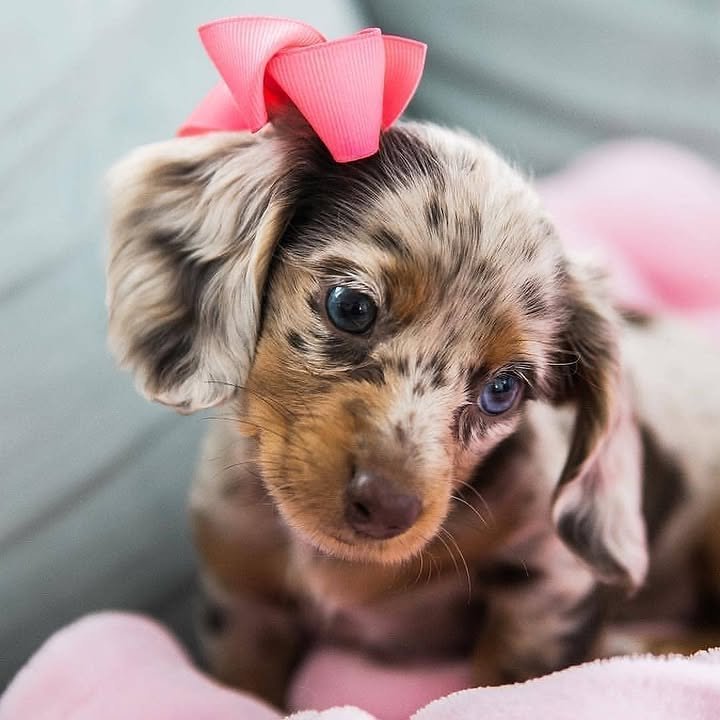
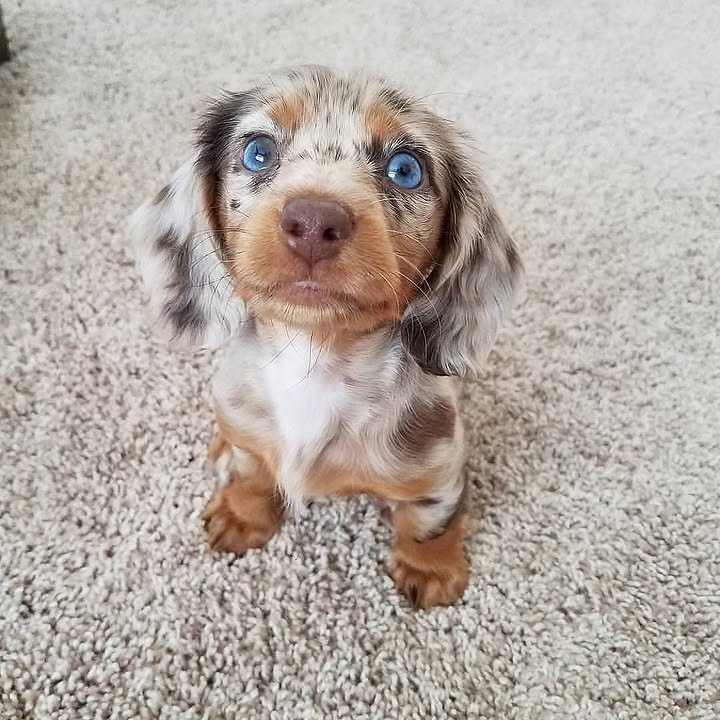




Dachshund Puppy (Luna) | Breed & Care
- Name: Luna
- Breed: Dachshund
- Gender: Female
- Size: Small, with standard and miniature varieties
- Lifespan: Approximately 12–16 years
- Colors: Red, black and tan, chocolate and tan, cream, and other recognized coat patterns
- Personality: Playful, curious, affectionate, and adventurous
- Temperament: Intelligent, loyal, lively, and confident
- Interaction: Enjoys playtime, exploring her surroundings, learning new commands, and spending time with her family
- Special Qualities: Distinctive long body, short legs, expressive eyes, alert nature, and charming personality
$1,000.00 Original price was: $1,000.00.$800.00Current price is: $800.00.

We Offer Free Delivery

Dachshund Puppy Luna | Breed & Care
Meet Dachshund Puppy Luna
Welcome to the delightful world of Dachshunds, a distinctive dog breed known for its long body, short legs, bright expression, and confident personality. Dachshund puppy Luna is the focus of this product listing, introducing prospective owners to the breed’s appearance, temperament, care requirements, and the responsibilities that come with raising a puppy.
Dachshunds have a special way of capturing attention. Their unusual proportions give them an unmistakable silhouette, while their alert expressions and lively personalities make them fascinating companions. They are often curious about their surroundings, interested in exploring new scents, and eager to investigate the activities happening around them.
Although Dachshunds may be small compared with many other breeds, they are not without character. They were developed as working dogs, and many retain the determination, independence, and confidence associated with their hunting heritage. These traits can make everyday life entertaining, but they also mean that early training, appropriate supervision, and a consistent household routine are important.
Choosing Dachshund puppy Luna should involve more than admiring her appearance. A responsible decision considers the puppy’s individual personality, health records, early socialization, expected adult size, coat type, and suitability for your home. This guide will help you understand what caring for a Dachshund involves so that you can make an informed decision.
Please confirm Luna’s actual age, sex, coat variety, health information, vaccination status, and availability directly with the seller. General breed information should not be mistaken for a verified description of an individual puppy.
Why Choose Dachshund Puppy Luna?
The Dachshund is a memorable breed with a combination of courage, curiosity, loyalty, and charm. People are often drawn to these dogs because of their distinctive appearance and engaging personalities. They can become devoted household companions when their needs are understood and consistently met.
Dachshunds frequently enjoy spending time with their families. Depending on their individual temperament and early experiences, they may enjoy relaxing beside a trusted person, following family members from room to room, playing with suitable toys, or investigating the garden under supervision.
Their alert nature can also make them attentive to unfamiliar sounds and changes in their surroundings. Some Dachshunds bark readily, so teaching appropriate responses and rewarding calm behavior can be useful from an early age.
Luna’s individual personality will develop through genetics, early handling, socialization, training, and daily experiences. While breed characteristics can provide a helpful starting point, no description can guarantee that every Dachshund puppy will behave in exactly the same way.
A good home gives a puppy the opportunity to grow into a confident companion without expecting her to be perfectly behaved from the beginning. Puppies need time, patient guidance, rest, and opportunities to learn.
Dachshund Puppy Luna: Appearance and Breed Characteristics
Dachshunds are particularly recognizable because of their elongated bodies, relatively short legs, and alert facial expressions. Their body shape reflects the breed’s historical development as a hunting dog capable of pursuing quarry into burrows and other confined spaces.
Their compact proportions do not mean that they should be handled carelessly. A Dachshund’s long back makes thoughtful lifting, sensible exercise, and weight management especially important throughout life.
Dachshunds can have smooth, longhaired, or wirehaired coats. Each variety has different grooming considerations. Smooth-coated Dachshunds generally need relatively simple routine grooming, while longhaired dogs may require more frequent brushing to reduce tangles. Wirehaired Dachshunds often benefit from a grooming routine suited to their coat texture.
The breed also comes in standard and miniature sizes. The expected adult size of a puppy depends on her variety, genetics, and development. Ask for information about Luna’s parents and expected adult size instead of relying on a puppy photograph alone.
Coat colors and markings vary, and the exact appearance of an individual puppy should be confirmed using recent, genuine photographs. If a photograph is used on this product page, ensure that it accurately represents the puppy being advertised.
Dachshund Puppy Luna and Her Distinctive Features
The features that make a Dachshund stand out also influence the way owners should care for the breed. Her body shape, leg length, coat type, and developing coordination should all be considered when planning exercise and home safety.
Avoid encouraging repeated jumping from sofas, beds, or other elevated surfaces. Use suitable steps or ramps where appropriate, supervise access to furniture, and ask a veterinarian for advice about protecting a growing puppy’s back.
When lifting a Dachshund, support both the chest and hindquarters so that the body remains supported. Children should be shown how to handle puppies gently and should be supervised during interactions.
These precautions do not mean that a Dachshund must live an inactive life. Instead, they help owners choose activities that allow the dog to explore, play, and develop while reducing unnecessary strain.
Temperament and Personality of Dachshund Puppy Luna
Dachshunds are often described as lively, intelligent, curious, and confident. Many form close relationships with their families and enjoy participating in everyday household activities.
Their working background can contribute to a determined nature. A Dachshund may become intensely interested in a scent, a moving object, or something interesting beneath a bush. This curiosity can make walks entertaining, but it also means that a secure lead and safe outdoor environment are important.
Some Dachshunds can be vocal or cautious around unfamiliar people. Positive introductions, calm handling, and reward-based training can help puppies learn that new experiences are not necessarily threatening.
Dachshund puppy Luna should be allowed to develop her personality at a comfortable pace. Give her opportunities to explore new sights, sounds, surfaces, people, and suitable animals without forcing interactions. Reward relaxed behavior and provide a safe place where she can rest when she feels overwhelmed.
A puppy’s temperament cannot be judged by breed alone. Ask the seller about Luna’s behavior, handling experiences, response to ordinary household sounds, and interactions with people. These observations can help you understand her current needs without assuming that every characteristic is permanent.
Building a Strong Bond With Dachshund Puppy Luna
A strong relationship begins with consistency. Use a predictable routine for feeding, toileting, rest, play, and training. Speak calmly, reward desirable behavior, and avoid frightening or physically punishing the puppy.
Short, positive training sessions are usually more appropriate for a young puppy than lengthy lessons. End sessions before she becomes overtired, and remember that sleep is an essential part of development.
Give Luna appropriate chew toys, safe enrichment activities, and opportunities to investigate her environment. Supervised sniffing games and simple food puzzles can provide mental stimulation without requiring strenuous exercise.
It is also important to help a puppy become comfortable spending short periods resting independently. Gradual practice can reduce overdependence and support a healthy daily routine. https://lindaspuppyhaven.com/product-category/dashund-puppies-2/
Training Dachshund Puppy Luna
Training is an important part of responsible Dachshund ownership. These dogs can be clever and responsive, but some may also be independent. Clear expectations, patience, and positive reinforcement help make learning easier for both puppy and owner.
Begin with simple skills such as responding to her name, coming when called in a safe environment, settling on a bed, accepting gentle handling, and walking comfortably on a suitable lead.
Reward the behaviors you want to encourage. Small treats, praise, toys, and brief play can all be useful rewards, depending on what motivates Luna.
House Training and Toilet Routines
House training works best when the puppy is given frequent opportunities to toilet in the correct place. Take Luna outside after waking, after meals, after play, and at other predictable times.
Praise and reward her immediately when she toilets in the appropriate area. Supervise her indoors and watch for signs that she needs to go out. Accidents are a normal part of learning and should be handled calmly.
Avoid punishing accidents after they occur. Instead, clean the area thoroughly and adjust the routine to reduce the chance of another accident. A consistent schedule and patient supervision are more useful than expecting a young puppy to understand household rules immediately.
Socialization and Confidence
Early socialization means introducing a puppy to suitable experiences in a safe, positive, and gradual way. It does not mean exposing her to every possible situation at once.
With appropriate veterinary guidance, help Luna become familiar with household sounds, different surfaces, gentle handling, car travel, and calm people. Interactions with other dogs should be carefully selected, particularly before her vaccination and health status have been confirmed.
Allow her to observe unfamiliar experiences from a comfortable distance. Reward calm curiosity and give her the option to move away when she appears uncomfortable.
Ask your veterinarian about safe socialization opportunities based on Luna’s age, vaccination history, and local disease risks.
Exercise and Play for Dachshund Puppy Luna
Dachshunds need regular movement and opportunities to explore, but exercise should suit the puppy’s age, physical development, and individual health. The goal is to support healthy activity without encouraging excessive strain on the back or joints.
For a young puppy, several short, supervised periods of activity are generally more suitable than forcing long walks. Allow time for sniffing, gentle play, and rest. Increase activity gradually as the puppy matures and follow veterinary advice about appropriate exercise.
Avoid using stairs, high jumps, or repetitive leaps as a substitute for suitable play. Discourage jumping down from furniture, and make access to raised surfaces safer where necessary.
Safe Indoor Activities
Indoor enrichment can help keep a Dachshund mentally engaged when outdoor activity is limited. Suitable activities include supervised exploration, simple scent games, food puzzles designed for puppies, and gentle toy play.
Choose toys that are appropriate for Luna’s size and chewing behavior. Remove damaged toys and supervise activities involving small objects that could be swallowed.
Provide a comfortable resting area away from heavy foot traffic. Puppies need plenty of sleep, and uninterrupted rest helps them recover from the excitement of learning and playing.
Outdoor Safety
Use a secure lead or harness that fits correctly, and supervise Luna in enclosed outdoor spaces. Dachshunds can follow interesting scents with determination, so a reliable recall should never be assumed in an unsecured area.
Check outdoor spaces for gaps in fencing, toxic plants, small objects, and other hazards. During hot weather, provide shade and water, and avoid strenuous activity in high temperatures.
Exercise should be enjoyable rather than exhausting. If Luna appears unusually tired, uncomfortable, reluctant to move, or unsteady, stop the activity and contact a veterinarian when appropriate.
Grooming and Coat Care for Dachshund Puppy Luna
Grooming needs depend on the Dachshund’s coat variety. Establishing a gentle routine early can help Luna become comfortable with brushing, nail care, ear checks, and other basic maintenance.
Smooth-Coated Dachshunds
Smooth-coated Dachshunds usually require relatively little brushing. A soft grooming mitt or suitable brush can help remove loose hair and keep the coat looking tidy.
Check the skin regularly for irritation, parasites, or unusual changes. Even a short coat benefits from occasional grooming and routine handling.
Longhaired Dachshunds
Longhaired Dachshunds generally need more frequent brushing to prevent tangles, particularly around the ears, chest, underside, tail, and areas where the coat rubs together.
Introduce the brush slowly and reward calm behavior. If tangles become difficult to remove, consult a professional groomer rather than pulling painfully at the coat.
Wirehaired Dachshunds
Wirehaired Dachshunds have a different coat texture and may need specialized grooming to maintain its condition. Ask an experienced groomer or veterinarian about the most suitable approach for the individual dog’s coat.
Do not assume that every grooming method is appropriate for every Dachshund variety.
Nail, Ear, and Dental Care
Nails should be checked regularly and trimmed when necessary. If you are unsure how to trim them safely, ask a veterinarian or qualified groomer to demonstrate.
Check Luna’s ears for dirt, odor, redness, or discharge. Do not insert cotton swabs or other objects deep into the ear canal. Seek veterinary advice if you notice signs of irritation or infection.
Introduce tooth brushing gradually with a dog-safe toothbrush and toothpaste. Human toothpaste is not intended for dogs. Routine dental care can help maintain oral health as Luna grows.
Nutrition and Feeding Dachshund Puppy Luna
Good nutrition supports healthy growth, energy, muscle development, and overall well-being. Choose a complete and balanced puppy food appropriate for Luna’s age and expected adult size.
Follow the manufacturer’s feeding guidance as a starting point, then adjust portions according to her growth, body condition, activity, and veterinary recommendations. The correct amount varies between individual puppies.
Fresh, clean water should always be available. Feed on a consistent schedule and avoid giving excessive treats or table scraps.
Portion Control and Healthy Weight
Weight management is particularly important for Dachshunds because excess body weight can place additional stress on the back and joints. A healthy feeding routine helps support long-term mobility.
Measure meals rather than estimating portions by eye. Use small training treats and include them in the overall daily food allowance.
Ask your veterinarian to assess Luna’s body condition as she grows. Do not put a puppy on a restrictive weight-loss diet without professional advice, because puppies need sufficient nutrition for normal development.
Changing Food Safely
If Luna is currently eating a particular puppy food, ask the seller for the brand, formula, feeding schedule, and amount. Keeping her diet consistent during the initial transition to a new home may help reduce unnecessary digestive upset.
If you need to change foods, ask your veterinarian for advice and make the transition gradually unless a professional recommends otherwise.
Persistent vomiting, diarrhea, loss of appetite, or unusual lethargy warrants veterinary attention, especially in a young puppy.
Health and Veterinary Care for Dachshund Puppy Luna
Every puppy needs preventive veterinary care. Before bringing Luna home, request documentation of veterinary examinations, vaccinations received, parasite treatment, microchip information if applicable, and any known health concerns.
The timing of future vaccinations, parasite prevention, and routine examinations should be determined with a veterinarian who understands the puppy’s age, history, and local risks.
Dachshunds are particularly associated with intervertebral disc disease, commonly abbreviated as IVDD. This condition involves problems affecting the cushioning discs between the vertebrae and can cause pain, weakness, or more serious neurological symptoms.
Not every Dachshund develops IVDD, but the breed’s body structure makes it important for owners to understand the warning signs and discuss sensible preventive care with their veterinarian.
Back Care and IVDD Awareness
Support Luna’s body when lifting her, keeping her chest and hindquarters supported. Reduce repeated high-impact jumping, help her access furniture safely when appropriate, and maintain a healthy body condition.
Use age-appropriate exercise rather than trying to build fitness through strenuous activity. Avoid rough handling and teach children to interact gently with the puppy.
Warning signs of possible back or neurological problems include back or neck pain, reluctance to move, an unusual posture, weakness, wobbliness, dragging the paws, or difficulty walking.
If Luna suddenly develops weakness, cannot walk normally, or shows severe pain, seek urgent veterinary care. Do not attempt to treat suspected spinal disease at home or wait for symptoms to resolve on their own.
These precautions are intended to support good care, not to suggest that a particular condition is present in Luna.
Routine Veterinary Visits
Regular veterinary appointments allow your veterinarian to monitor growth, body condition, dental development, mobility, and general health. They also provide an opportunity to discuss vaccination schedules, parasite prevention, nutrition, and spaying or neutering when appropriate.
Ask for copies of Luna’s medical records and clarify which treatments have already been given and when the next appointments are due.
A responsible owner should have access to veterinary care and a plan for emergencies before bringing a puppy home.
Preparing Your Home for Dachshund Puppy Luna
A puppy-friendly home should be safe, comfortable, and easy to supervise. Before Luna arrives, remove small objects that could be swallowed, secure electrical cords, store cleaning products safely, and check that gates and fencing prevent escape.
Create a quiet sleeping area where she can rest without being disturbed. Provide appropriate food and water bowls, a correctly sized harness or collar, a lead, a bed, safe toys, grooming supplies, and a suitable method for transporting her securely.
Consider the layout of your home from a Dachshund’s perspective. Furniture that encourages repeated jumping, slippery floors, and unprotected staircases can create avoidable risks.
Use non-slip surfaces where possible and supervise access to stairs. If ramps or pet steps are suitable for your situation, introduce them carefully and make sure they are stable.
Helping Luna Settle In
The first days in a new home can be exciting and unfamiliar. Keep the environment calm, introduce family members gradually, and avoid overwhelming Luna with visitors or too many new experiences at once.
Maintain a predictable schedule for meals, toilet breaks, naps, and play. If she seems uncertain, give her time to observe and explore at her own pace.
Young puppies may vocalize when separated from familiar surroundings. Respond with patience, establish a comfortable routine, and teach independence gradually. If distress persists or becomes severe, ask a veterinarian or qualified behavior professional for guidance.
Dachshund Puppy Luna and Family Life
Dachshunds can be loving companions for individuals, couples, and families who understand their needs. Their suitability for a particular household depends on the puppy’s temperament, the family’s routine, and the ability to provide appropriate care.
Families with children should supervise interactions and teach children not to pull ears or tails, squeeze the puppy, disturb her while sleeping, or carry her without adult assistance.
Children should learn to let Luna approach voluntarily and to recognize when she needs a break. An adult should remain responsible for feeding, training, exercise, veterinary appointments, and safety.
If the home already includes other animals, introductions should be gradual and carefully managed. Provide separate feeding areas and safe resting places, and supervise interactions until everyone is comfortable.
The goal is to create a household where the puppy is treated as a living companion with her own needs, not as a toy or an accessory.
Living With a Dachshund: What Owners Should Know
Dachshunds bring plenty of personality into a home, but they also require commitment. Their curiosity can make them entertaining companions, while their determination can test an owner’s patience during training.
They may enjoy following scents, investigating their environment, and alerting their families to unfamiliar sounds. Secure fencing, lead training, mental stimulation, and consistent household rules can help manage these natural tendencies.
Potential owners should also consider time, costs, and practical arrangements. Food, preventive veterinary care, grooming, training, equipment, and emergency treatment all contribute to the lifetime cost of dog ownership.
Before choosing Dachshund puppy Luna, make sure everyone in the household agrees about responsibilities and that suitable care will be available during work hours, travel, and other commitments.
A well-prepared owner is better positioned to provide a stable home throughout the dog’s life.
Frequently Asked Questions About Dachshund Puppy Luna
Is Dachshund puppy Luna suitable for a first-time owner?
A Dachshund can suit a first-time owner who is prepared to learn about training, grooming, safe handling, exercise, and health care. The breed’s independent streak may require patience and consistency. Prospective owners should research the breed and seek professional guidance when needed.
How much exercise does a Dachshund puppy need?
Exercise requirements depend on age, health, and development. Young puppies generally benefit from short, supervised activities, gentle exploration, and plenty of rest. Ask your veterinarian to recommend a suitable routine for Luna rather than applying an adult dog’s exercise schedule to a growing puppy.
Does a Dachshund need a lot of grooming?
Grooming depends on coat type. Smooth-coated Dachshunds usually need relatively simple brushing, longhaired Dachshunds need more attention to tangles, and wirehaired Dachshunds may require specialized coat care. All varieties need regular nail, ear, and dental care.
Are Dachshunds easy to train?
Dachshunds are intelligent, but some are independent and easily distracted by interesting scents. Reward-based training, short sessions, consistency, and patient repetition can help them learn. House training may take time, so a predictable routine is important.
What should I ask before purchasing Luna?
Ask for Luna’s date of birth, current photographs, coat variety, expected adult size, health records, vaccination and parasite-treatment history, information about her parents, and details about her early socialization. Confirm the seller’s identity, terms of sale, and arrangements for veterinary follow-up.
How can I help protect a Dachshund’s back?
Support both the chest and hindquarters when lifting, discourage repeated jumping from heights, provide safe access around furniture, maintain a healthy body condition, and choose sensible exercise. Contact a veterinarian promptly if you notice pain, weakness, wobbliness, or difficulty walking.
What food should Luna eat?
Choose a complete and balanced puppy food appropriate for her age and expected adult size. Ask the seller what she currently eats and consult a veterinarian before making significant dietary changes. Feeding amounts should be adjusted to her growth and body condition.
Can Dachshunds live in apartments?
A Dachshund can live in an apartment if the household provides appropriate exercise, toilet opportunities, enrichment, training, supervision, and safe access around stairs and furniture. Consider barking, household rules, and the time available for companionship before making a decision.
Helpful External Resources for Dachshund Owners
Learning from reputable canine health and breed organizations can help you prepare for responsible ownership. The following resources provide additional information about the breed and general pet care.
- American Kennel Club: Dachshund Breed Information — Learn about the breed’s characteristics, history, and general care considerations.
- American Veterinary Medical Association: Pet Owner Resources — Explore general guidance on veterinary care and responsible pet ownership.
- The Kennel Club: Breeds A–Z — Review breed information and characteristics.
- American Animal Hospital Association: Pet Owner Resources — Find educational resources related to companion animal health and care.
These resources offer general educational information. Your veterinarian remains the best source for advice tailored to Luna’s health, age, and individual needs.
Is Dachshund Puppy Luna the Right Companion for You?
Choosing a puppy is a long-term commitment that should be based on compatibility, preparation, and responsible decision-making. Dachshunds can bring affection, energy, curiosity, and a distinctive personality to the right home, but they also need patient training and thoughtful physical care.
Before making a purchase or adoption decision, verify Luna’s identity and availability, review her health documentation, ask questions about her background, and ensure that her needs fit your household.
Make sure you are ready to provide quality nutrition, routine veterinary care, daily companionship, safe exercise, grooming, and consistent training. Plan for unexpected expenses and arrange suitable care when you are away.
A good start helps a puppy build confidence and develop healthy habits. With an appropriate routine, positive reinforcement, and careful attention to breed-specific considerations, a Dachshund can become a cherished member of the household.
Dachshund puppy Luna is the subject of this listing, and the information above is designed to help prospective owners understand the breed before taking the next step. Confirm all individual details about Luna directly with the seller, and make your decision only after you are satisfied with her documentation, welfare, and suitability for your home.
Responsible ownership begins before a puppy arrives and continues throughout every stage of her life. By preparing carefully and seeking qualified veterinary guidance, you can give Luna the best possible foundation for a happy, healthy future.

Reviews
There are no reviews yet.