





Beagle Puppy (Bella) | Breed & Care
- Name: Bella
- Breed: Beagle
- Gender: Female
- Size: Small to medium-sized
- Lifespan: Approximately 10–15 years
- Coat Colors: Tricolor (black, white, and tan), lemon and white, red and white, or other recognized Beagle colors
- Personality: Playful, curious, affectionate, and adventurous
- Temperament: Friendly, gentle, sociable, and intelligent
- Interaction: Enjoys playtime, exploring new scents, learning commands, and spending time with her family
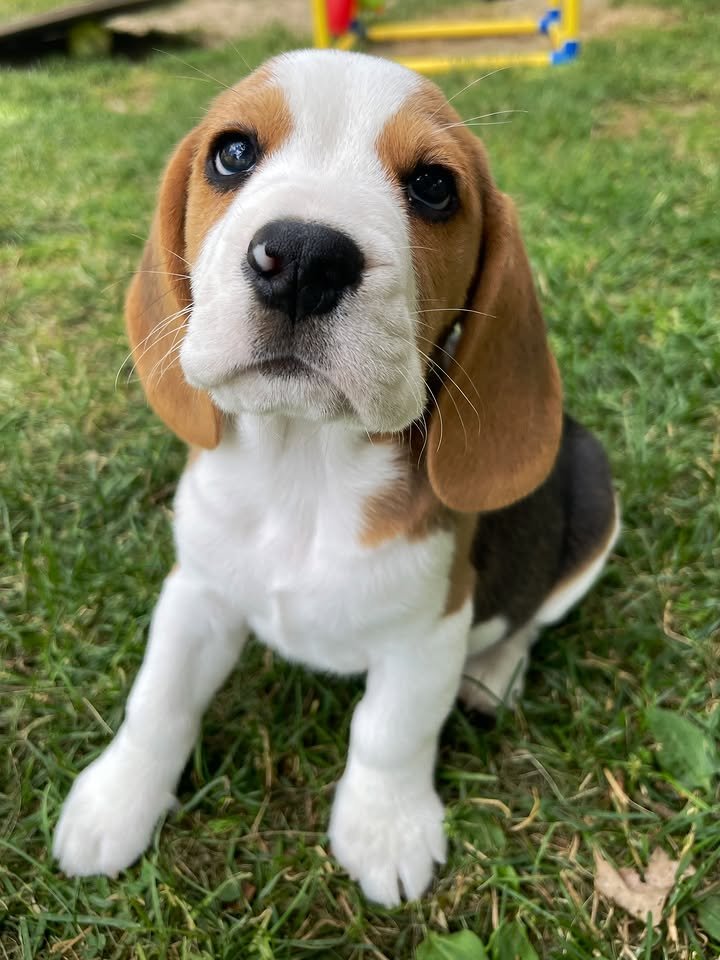
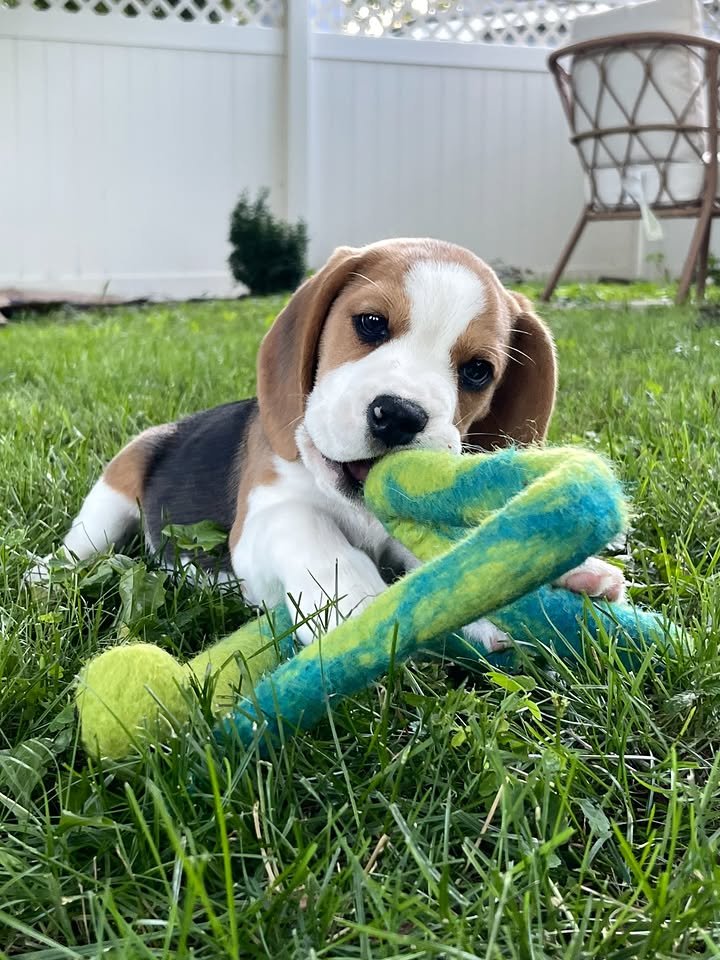
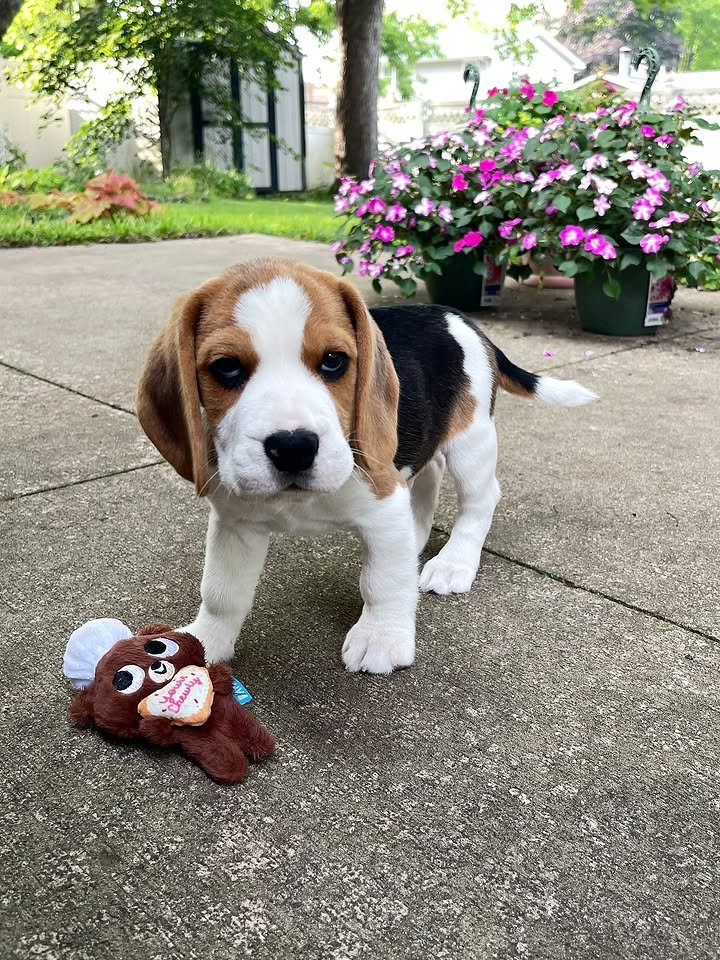
- Special Qualities: Expressive eyes, adorable floppy ears, a distinctive Beagle appearance, a keen sense of smell, and a loving personality
$1,000.00 Original price was: $1,000.00.$850.00Current price is: $850.00.

We Offer Free Delivery

Beagle Puppy Bella | Breed & Care
Meet Beagle Puppy Bella
Beagle puppy Bella is a female puppy featured in this listing for anyone interested in the friendly nature, distinctive appearance, and curious personality associated with the Beagle breed. Known for their expressive eyes, floppy ears, compact bodies, and enthusiasm for exploring the world, Beagles are popular companions for households prepared to meet their exercise, training, and social needs.
Beagles are scent hounds with a remarkable interest in smells and their surroundings. Their original working purpose encouraged persistence, curiosity, and the ability to follow scent trails. These characteristics continue to influence the behavior of many Beagles today. A Beagle may become absorbed in investigating an interesting smell, exploring a new outdoor area, or searching for a favorite toy.
Bella’s breed is also appreciated for its sociable character. Many Beagles enjoy spending time with their families, participating in games, and relaxing near familiar people. They often benefit from regular companionship, a predictable routine, and opportunities to use their natural abilities in safe and enjoyable ways.
Welcoming a puppy is an important decision. Bella will need more than food and shelter to thrive. She will benefit from patient training, suitable nutrition, routine veterinary care, gentle handling, and a home where her physical and emotional needs are understood.
Every puppy is an individual, and general breed characteristics cannot guarantee a particular temperament or health outcome. Confirm Bella’s actual age, coat color, current size, vaccination history, veterinary records, and availability directly with the seller before making a decision.
Beagle Puppy Bella: Appearance and Breed Characteristics
Beagles have a recognizable appearance that combines a sturdy body, relatively short coat, floppy ears, and an alert facial expression. Their build supports an active lifestyle, while their expressive eyes and friendly appearance contribute to their popularity as companion dogs.
One of the breed’s most distinctive features is its long, hanging ears. These ears frame the face and give many Beagles a gentle expression. Their noses are especially important to their scenting ability, and they often show considerable interest in investigating objects, plants, and trails.
Beagles are commonly associated with tricolor coats featuring black, white, and tan. Other coat combinations include red and white, lemon and white, and other recognized variations. Bella’s actual color and markings should be described according to her individual appearance rather than assumed from general breed information.
The breed includes different size ranges, and an individual puppy’s eventual size depends on genetics and development. Ask the seller about Bella’s age, parents, and expected adult size if these details are available.
Her short coat is generally manageable with routine brushing, although Beagles do shed. Regular grooming can help remove loose hair, keep the coat tidy, and give owners an opportunity to check the skin for irritation or other changes. https://lindaspuppyhaven.com/product-category/beagle-puppies/
Beagle Puppy Bella and Her Distinctive Features
The combination of floppy ears, expressive eyes, a strong nose, and a compact, sturdy body makes the Beagle instantly recognizable. These features are part of the breed’s appeal, but they also help owners understand its care requirements.
Bella’s ears should be checked regularly because the ear flaps can reduce airflow and may contribute to conditions that allow irritation or infection to develop. Check for redness, unusual odor, discharge, or persistent scratching, and consult a veterinarian if you notice concerning symptoms.
Her strong sense of smell also influences how she explores. A Beagle may become distracted by a scent even when an owner is calling her. Secure outdoor spaces, leash training, and patient recall practice are therefore important parts of responsible care.
Although Beagles have a sturdy appearance, puppies still need gentle handling and age-appropriate activity. Avoid forcing Bella into strenuous exercise, and give her enough rest between play sessions.
Beagle Puppy Bella: Personality and Temperament
Beagles are often described as friendly, inquisitive, energetic, and sociable. Many enjoy being around people and participating in everyday activities. Their curiosity can make them entertaining companions because they frequently want to investigate new objects, smells, and surroundings.
Bella may enjoy interactive games, gentle attention, and opportunities to explore safely. As she becomes familiar with her household, she can gradually learn the daily routines, boundaries, and behaviors expected of her.
The breed’s scenting instincts are an important part of its personality. Bella may follow an interesting smell or become distracted during a walk. Rather than viewing this curiosity as simply disobedience, owners can provide structured scent activities and reward her for returning attention to them.
Some Beagles are vocal and may bark, bay, or whine when excited, bored, or responding to unfamiliar sounds. Teaching calm behavior, providing appropriate activity, and avoiding long periods of isolation can help manage excessive vocalization.
Building a Strong Bond With Beagle Puppy Bella
A strong bond begins with trust and consistent care. Feed Bella on a predictable schedule, provide suitable opportunities for play and rest, and use gentle handling during everyday activities. Reward desirable behavior with praise, treats, or play.
Allow her to approach new people and experiences at her own pace. If she seems uncertain, give her space and avoid forcing interaction. Calm, positive introductions can help her develop confidence.
Spend time teaching simple skills and playing games that encourage cooperation. Short activities can strengthen your relationship while providing mental stimulation. Use safe toys and supervise play to make sure objects are suitable for her age and size.
Companionship is important, but Bella should also learn to settle comfortably for short periods. Gradual practice can help her develop independence while still feeling secure in her home.
Beagle Puppy Bella: Intelligence and Training
Beagles are intelligent dogs, but their powerful interest in scent can make training challenging. Bella may understand a familiar cue and still become distracted when she notices something interesting nearby.
Training works best when it is positive, consistent, and suited to a puppy’s attention span. Keep sessions short and rewarding. Use small treats, praise, toys, or play to encourage the behaviors you want to see.
Start with basic skills such as responding to her name, sitting, settling on a mat, accepting gentle handling, and walking on a leash. Practise in a quiet environment before gradually introducing distractions.
Avoid harsh punishment. Frightening or physically punishing a puppy can damage trust and interfere with learning. Reward-based methods provide a clearer way to show Bella which behaviors are desirable.
House Training Beagle Puppy Bella
House training is easier when Bella has regular opportunities to toilet in the correct place. Take her outside after waking, after meals, after drinking, after play, and before bedtime.
Watch for signs that she needs to go outside, such as sniffing the floor, circling, wandering away, or suddenly becoming restless. When she toilets in the appropriate location, reward her immediately so she can connect the behavior with the reward.
Accidents are a normal part of puppyhood. Clean them thoroughly and adjust her routine to prevent repeat accidents. Avoid punishment after an accident because it may create anxiety without teaching her where she should toilet.
Consistency among family members is important. Everyone should follow the same schedule and use similar cues. With patience and supervision, Bella can gradually learn the household routine.
Recall and Leash Training
Recall training is particularly important for Beagles because they may follow a scent and lose track of their surroundings. Begin practising in a secure, enclosed space with few distractions.
Use a consistent recall cue and reward Bella generously when she comes to you. Make returning to you a positive experience rather than something she associates with the end of every enjoyable activity.
Do not rely on recall alone in an unsecured area. Keep Bella on a suitable leash outdoors unless she is in a secure space where off-leash activity is permitted and safe.
Introduce a well-fitting harness or collar gradually. Reward her for walking calmly, checking in with you, and responding to changes in direction. Give her opportunities to sniff safely during walks, as scent exploration is an important form of enrichment for this breed.
Beagle Puppy Bella: Exercise and Daily Activities
Beagles are generally active dogs that benefit from regular movement and mental stimulation. Exercise supports healthy development, helps maintain an appropriate body condition, and gives Bella opportunities to explore her environment.
As a young puppy, Bella should have several short periods of age-appropriate activity rather than being pushed into strenuous exercise. Her activity can increase gradually as she matures, based on her comfort, health, and veterinary guidance.
Suitable activities include supervised walks, gentle toy games, simple training exercises, and exploring safe outdoor areas on a leash. Avoid expecting a young puppy to complete long or demanding walks.
Scent Games for Beagle Puppy Bella
Scent games are especially useful for a breed with a strong nose. They allow Bella to use her natural abilities in a controlled environment while giving her a rewarding mental challenge.
You can hide a favorite toy in an easy-to-find location and encourage her to search for it. Another option is to scatter a small portion of her measured food in a safe area and let her investigate under supervision.
Puzzle feeders designed for puppies can also provide enrichment. Choose products that are appropriate for her size and chewing habits, and supervise their use to prevent her from swallowing damaged pieces.
Keep activities simple at first. As Bella becomes more familiar with the game, you can make the challenge slightly harder without causing frustration.
Outdoor Safety for Beagle Puppy Bella
An interesting scent can encourage a Beagle to wander away, so outdoor safety is essential. Keep Bella on a leash in unsecured spaces and make sure any yard or garden has secure fencing and gates.
Check outdoor areas for gaps, toxic plants, sharp objects, rubbish, and small items she might swallow. Supervise her closely when she explores unfamiliar environments.
During warm weather, avoid strenuous activity during the hottest part of the day and provide access to shade and fresh water. Watch for signs of overheating, unusual fatigue, or discomfort.
Balance activity with rest. Puppies need plenty of sleep, and too much exercise can leave them exhausted. Adjust Bella’s routine as she grows, and consult a veterinarian if you are unsure how much activity is suitable.
Beagle Puppy Bella: Grooming and Coat Maintenance
Beagle puppy Bella has a short coat that is generally straightforward to maintain. Routine grooming removes loose hair, supports coat cleanliness, and provides an opportunity to check her skin, ears, paws, and nails.
Brush her regularly using a soft-bristle brush or suitable grooming mitt. Once or twice a week may be a reasonable starting routine, although shedding levels and individual needs can vary.
Bathing is usually needed when Bella becomes dirty or develops an unpleasant odor. Use a dog-specific shampoo and rinse thoroughly. Avoid unnecessary frequent bathing, which may dry or irritate the skin.
Ear Care for Beagle Puppy Bella
Bella’s floppy ears deserve regular attention. Check them for redness, swelling, unusual discharge, unpleasant odor, or repeated scratching. These signs may indicate irritation or infection and should be assessed by a veterinarian.
Clean her ears only with a product and method recommended by a veterinary professional. Do not insert cotton swabs or other objects deep into the ear canal, as this can cause injury.
Keeping track of ear health is particularly useful for Beagle owners because the breed can be prone to ear problems. Regular checks can help you notice changes early.
Nail and Dental Care
Check Bella’s nails regularly and trim them when necessary. If you are unfamiliar with nail trimming, ask a veterinarian or qualified groomer to demonstrate a safe technique.
Dental care should begin gradually during puppyhood. Introduce a dog-specific toothbrush and toothpaste in short, positive sessions. Never use human toothpaste for dogs.
Routine brushing can help maintain oral hygiene, while veterinary examinations can identify developing dental problems. Gentle handling and rewards can help Bella become more comfortable with these activities as she grows.
Beagle Puppy Bella: Nutrition and Healthy Weight
Balanced nutrition is essential for Bella’s growth, energy, and general well-being. Choose a complete and balanced puppy food appropriate for her age and expected adult size.
Follow the manufacturer’s feeding recommendations as a starting point. The correct portion depends on the food’s energy content, Bella’s current weight, activity level, growth, and body condition. A veterinarian can help you determine a suitable feeding schedule and amount.
Young puppies generally benefit from several appropriately sized meals throughout the day. As Bella matures, her feeding routine can be adjusted to suit her changing needs.
Always provide fresh, clean drinking water. Use treats in moderation and include them in her overall daily calorie intake.
Managing Bella’s Food Intake
Beagles can be highly motivated by food, and some are prone to gaining excess weight. Measuring meals helps prevent accidental overfeeding and supports healthy growth.
Avoid leaving unlimited food available unless your veterinarian has specifically recommended that approach. Keep a record of her weight and ask your veterinarian to assess her body condition during routine visits.
Do not put a growing puppy on a restrictive diet without professional guidance. Adequate nutrition is necessary for normal development, and feeding adjustments should account for her age and growth stage.
Safe Food Choices for Beagle Puppy Bella
Ask the seller what Bella currently eats and how much she receives. Keeping her diet consistent during the first days in a new home may help reduce unnecessary digestive upset.
If you need to change her food, transition gradually unless a veterinarian recommends otherwise. Monitor her appetite, stool, and energy during the change.
Avoid foods that are toxic to dogs, including chocolate, grapes, raisins, onions, garlic, and products containing xylitol. Keep rubbish and potentially harmful foods out of reach.
If Bella eats something potentially toxic, contact a veterinarian promptly rather than waiting for symptoms to appear.
Beagle Puppy Bella: Health and Veterinary Care
Routine veterinary care helps support Bella’s health throughout puppyhood and adulthood. Regular examinations allow a veterinarian to monitor growth, discuss preventive care, plan vaccinations, and recommend suitable parasite control.
Arrange an initial veterinary appointment when Bella arrives at her new home. Bring any available health records, including vaccination details, deworming information, and previous examination notes.
Vaccination schedules vary according to age, location, lifestyle, and disease risk. Follow your veterinarian’s advice about the timing of vaccinations and when Bella can safely visit public spaces where other dogs may have been.
Parasite prevention may include protection against fleas, ticks, intestinal worms, and other parasites relevant to your region. Use only products appropriate for her age and weight, and consult a veterinarian before combining treatments.
Health Considerations for Beagle Puppy Bella
Beagles can be susceptible to certain health concerns, including ear infections, excess weight, some eye conditions, and particular inherited or orthopedic disorders. This does not mean Bella will develop these problems; individual health depends on many factors, including genetics and preventive care.
Monitor her appetite, energy, ears, skin, eyes, movement, and general behavior. Contact a veterinarian if you notice persistent vomiting, diarrhea, unusual lethargy, difficulty walking, or other concerning changes.
Ask the seller about Bella’s veterinary history and whether any relevant health screening has been performed on her parents. Do not assume that an individual puppy is healthy solely because she looks active or alert.
Keep records of appointments, vaccinations, treatments, and any advice given by your veterinarian. These details make it easier to plan follow-up care and monitor changes over time.
Beagle Puppy Bella: Socialization and Emotional Well-Being
Socialization helps Bella become familiar with people, everyday sounds, new environments, and suitable animals. Positive experiences during puppyhood can help her develop confidence and learn how to respond calmly to unfamiliar situations.
Introduce new experiences gradually. Let her investigate different surfaces, household noises, car travel, and calm visitors at a comfortable pace. Reward relaxed behavior and give her the option to move away if she feels uncertain.
Do not force her to interact with every person or dog she encounters. Overwhelming experiences may create fear rather than confidence.
Puppy classes can offer structured opportunities to practise basic manners and interact with other puppies when the environment is well managed. Ask your veterinarian about suitable timing based on Bella’s vaccination history and local disease risks.
Beagles often enjoy companionship, but Bella should also gradually learn to settle for short periods independently. Provide a comfortable resting space and increase time alone slowly, making sure her physical and emotional needs are met.
Beagle Puppy Bella: Preparing Your Home
Preparing your home before Bella arrives helps create a safe and comfortable environment. Set up a resting area where she can sleep undisturbed and provide suitable food and water bowls, puppy food, safe toys, grooming supplies, a harness or collar, and a secure leash.
Puppy-proof the home by securing electrical cords, cleaning products, medications, small objects, and potentially dangerous foods. Keep rubbish bins closed and check that doors, windows, gates, and fences do not provide easy escape routes.
A crate or puppy pen may be useful when introduced gradually and positively. It should offer a comfortable space for rest rather than being used as punishment.
Establish a daily routine for meals, toilet breaks, play, training, and sleep. A predictable schedule helps Bella understand what to expect and makes supervision easier for the household.
Helping Bella Settle Into Her New Home
The first days in a new home may be exciting and unfamiliar. Keep the environment calm, introduce visitors gradually, and give Bella time to investigate her surroundings.
Show her where she can sleep, eat, drink, and toilet. Use consistent cues and reward desirable behavior. Avoid introducing too many new experiences at once.
Puppies need plenty of rest, so allow Bella to sleep without constant disturbance. If she seems uncertain, provide reassurance without forcing interaction.
If she becomes distressed when separated from household members, teach independence gradually and seek professional guidance if the distress is persistent or severe.
Beagle Puppy Bella: Family Life and Other Pets
Beagles can make wonderful companions for families who can provide supervision, companionship, and consistent care. Their suitability for a particular household depends on Bella’s individual temperament, the family’s routine, and the ability to meet her needs.
Children should be taught to approach Bella calmly and avoid pulling her ears or tail, squeezing her, disturbing her while eating, or interrupting her when she sleeps. An adult should supervise interactions, especially with young children.
Provide a quiet resting area where Bella can relax without being disturbed. Every household member should understand that a puppy needs rest, safe handling, and time to adjust.
Beagles may live successfully with other dogs when introductions are gradual and positive. Compatibility with cats and smaller pets depends on individual temperament, previous experiences, and careful supervision. Because Beagles have a hunting background, interactions with small animals should be managed thoughtfully.
Clear household rules and positive introductions can help Bella learn how to interact appropriately with the people and animals around her.
Beagle Puppy Bella: Mental Stimulation and Enrichment
Mental stimulation is an important part of caring for a scent hound. Bella needs opportunities to explore, investigate, learn, and solve simple problems in safe ways.
Scent games, puzzle feeders, short training sessions, and supervised toy play can help keep her engaged. Rotate appropriate toys occasionally to maintain interest, and supervise her to ensure that toys remain safe.
Training can also be an enjoyable form of enrichment. Practise responding to her name, sitting, settling on a mat, walking on a leash, and accepting gentle grooming.
Keep activities appropriate for her age and attention span. If she becomes overtired or frustrated, provide a break rather than making the task more difficult.
A balanced routine includes exercise, learning, companionship, and sleep. By meeting all these needs, you can help Bella develop healthy habits and become more comfortable in her environment.
Frequently Asked Questions About Beagle Puppy Bella
Is Beagle puppy Bella suitable for a first-time owner?
A Beagle can suit a first-time owner who is prepared to provide consistent training, regular exercise, companionship, and routine veterinary care. The breed’s scenting instincts may make recall training challenging, so patience and secure outdoor management are important.
How much exercise does Bella need?
Exercise requirements depend on her age, health, and development. Young puppies generally need short, supervised periods of activity balanced with plenty of rest. Ask your veterinarian for guidance about a suitable routine as she grows.
Are Beagles easy to groom?
Beagles have short coats that are generally easy to maintain. Regular brushing, occasional bathing when needed, nail trimming, dental care, and ear checks help support cleanliness and comfort.
Can Bella live in an apartment?
A Beagle may live in an apartment if her needs are met. She still requires daily activity, toilet opportunities, companionship, mental stimulation, and training. Owners should also be prepared to manage barking and provide secure outdoor walks.
How can I stop Bella from wandering after scents?
Use a leash in unsecured spaces, practise recall in safe enclosed areas, and reward her for returning when called. Scent games can provide a constructive outlet for her natural curiosity. Do not rely on recall alone near roads or in open, unsecured areas.
What should I ask before bringing Bella home?
Ask for her date of birth, current photographs, health records, vaccination and parasite-treatment history, information about her parents where available, and details about her current food and routine. Confirm the seller’s identity, availability, and arrangements for veterinary follow-up.
What food should Bella eat?
Choose a complete and balanced puppy food suitable for her age and expected adult size. Ask the seller what she currently eats and consult a veterinarian about portions and feeding frequency. Make food changes gradually unless a veterinary professional advises otherwise.
Helpful External Resources for Beagle Puppy Owners
Reliable breed and veterinary organizations can help owners learn more about dog care and the Beagle’s characteristics. The following resources provide additional educational information.
- American Kennel Club: Beagle Breed Information — Learn about Beagle characteristics, breed history, and general care considerations.
- American Veterinary Medical Association: Pet Owner Resources — Explore information about veterinary care and responsible pet ownership.
- The Kennel Club: Breeds A–Z — Review dog breed information and ownership resources.
- American Animal Hospital Association: Pet Owner Resources — Find educational information about companion animal health and care.
These resources provide general information and do not replace advice from a veterinarian who can assess Bella’s individual health, age, and needs.
Welcome Beagle Puppy Bella Into a Loving Home
Beagles are appreciated for their friendly nature, curious minds, expressive appearance, and enthusiasm for exploration. They can bring companionship and fun into a home that understands their need for activity, training, and regular interaction.
Beagle puppy Bella is the subject of this listing, and the information above is intended to help prospective owners understand the breed before making a decision. Her actual temperament, health, appearance, and development should be confirmed through direct observation and reliable records.
Before welcoming Bella home, prepare your living space, arrange veterinary care, choose suitable food, and establish a consistent daily routine. Provide positive training, secure outdoor exercise, mental stimulation, grooming, and plenty of opportunities to rest.
If you are considering Bella as your next companion, contact the seller to confirm her availability and request current photographs and relevant health documentation. Taking time to ask questions and prepare for ownership can help you make a responsible choice.
With patient guidance, suitable enrichment, and thoughtful care, Bella can have the opportunity to grow into a confident and cherished companion. Give her a safe, supportive home where she can explore the world, learn at her own pace, and become a valued member of the family.




Reviews
There are no reviews yet.